Wednesday, December 11, 2013
farewell...
I hope to try and continue my blog even after tonight but whether that will happen i do not know. I would like to say I enjoyed this class even though I struggled at the beginning. I will have my baby within the next month so my time for reading will be limited, as well as blogging time. I hope everyone enjoyed my posts about Poe and I will definitely be doing more research about him later in life. Happy Holidays everyone!

As tonight is the last night for blogging, I decided to pick a short poem form Poe that I enjoyed so hopefully you all can enjoy too :)
My spirit not awakening, till the beam
Of an Eternity should bring the morrow.
Yes! tho' that long dream were of hopeless sorrow,
'Twere better than the cold reality
Of waking life, to him whose heart must be,
And hath been still, upon the lovely earth,
A chaos of deep passion, from his birth.
But should it be- that dream eternally
Continuing- as dreams have been to me
In my young boyhood- should it thus be given,
'Twere folly still to hope for higher Heaven.
For I have revell'd, when the sun was bright
I' the summer sky, in dreams of living light
And loveliness,- have left my very heart
In climes of my imagining, apart
From mine own home, with beings that have been
Of mine own thought- what more could I have seen?
'Twas once- and only once- and the wild hour
From my remembrance shall not pass- some power
Or spell had bound me- 'twas the chilly wind
Came o'er me in the night, and left behind
Its image on my spirit- or the moon
Shone on my slumbers in her lofty noon
Too coldly- or the stars- howe'er it was
That dream was as that night-wind- let it pass.
I have been happy, tho' in a dream.
I have been happy- and I love the theme:
Dreams! in their vivid coloring of life,
As in that fleeting, shadowy, misty strife
Of semblance with reality, which brings
To the delirious eye, more lovely things
Of Paradise and Love- and all our own!
Than young Hope in his sunniest hour hath known.
Dreams
Oh! that my young life were a lasting dream!My spirit not awakening, till the beam
Of an Eternity should bring the morrow.
Yes! tho' that long dream were of hopeless sorrow,
'Twere better than the cold reality
Of waking life, to him whose heart must be,
And hath been still, upon the lovely earth,
A chaos of deep passion, from his birth.
But should it be- that dream eternally
Continuing- as dreams have been to me
In my young boyhood- should it thus be given,
'Twere folly still to hope for higher Heaven.
For I have revell'd, when the sun was bright
I' the summer sky, in dreams of living light
And loveliness,- have left my very heart
In climes of my imagining, apart
From mine own home, with beings that have been
Of mine own thought- what more could I have seen?
'Twas once- and only once- and the wild hour
From my remembrance shall not pass- some power
Or spell had bound me- 'twas the chilly wind
Came o'er me in the night, and left behind
Its image on my spirit- or the moon
Shone on my slumbers in her lofty noon
Too coldly- or the stars- howe'er it was
That dream was as that night-wind- let it pass.
I have been happy, tho' in a dream.
I have been happy- and I love the theme:
Dreams! in their vivid coloring of life,
As in that fleeting, shadowy, misty strife
Of semblance with reality, which brings
To the delirious eye, more lovely things
Of Paradise and Love- and all our own!
Than young Hope in his sunniest hour hath known.
Thursday, December 5, 2013
11 facts.. did you know?
While doing some research tonight i came across these facts about Poe... Some of which you probably know but some hopefully some you didnt know :) hope you enjoy!
1. The ladies loved him. Women fought to have him come to their parties and swooned when he read his poems. One woman thought she'd clear her way to Poe's heart by blowing the whistle on his affair with the married Frances Osgood--a particularly ineffective way to get your man.
2. "The Raven" made him a star. Almost overnight, Americans were chanting the catchword 'nevermore." Parodies popped up in newspapers across the country and kids followed him down the street, flapping their arms.
3. He was a cat fancier. In spite of his tale about the murdered black feline, Poe loved cats and they loved him. His devoted tortoiseshell, Caterina, went into a depression whenever Poe traveled. Upon his death, their psychic tie was broken. She died two weeks later.
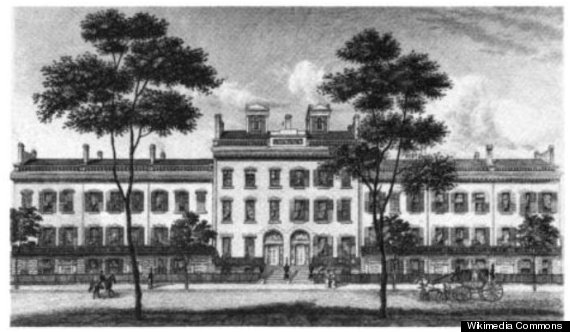
4. He couldn't afford to pay the rent. He cleared around $400 in 1845, the year of "The Raven"--a banner year for his wallet. Most years he made far less, forcing him to constantly beg friends and family for "loans."
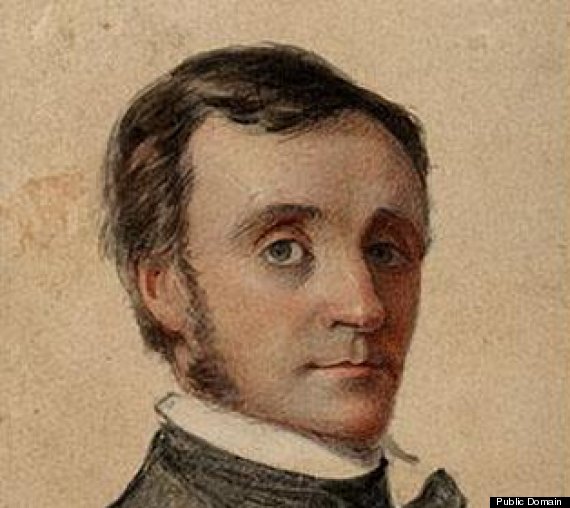
5. He was a looker. Forget the images of baggy-eyed lunatic so familiar to us all. They were taken in the year of his death, when he was ill, never a good time for one's close-up. His portraits from the time of "The Raven" depict a dapper and handsome ladies' man. Said one admirer, "Gentleman was written all over him."
6. He was as athletic as he was handsome. Besides holding a record for swimming six miles up the tidal James River in Virginia, he enjoyed rowing around Turtle Bay in New York City and hiking through the countryside. He was a champion long jumper, bursting his only pair of shoes during a contest. He won.
7. He went from champ to chump within the space of a year. The success of "The Raven" made him the toast of the New York literati in February 1845. By February 1846, the same literary circles had shown him the exit after they could no longer ignore his attachment to Frances Osgood. Osgood saved her reputation by denying the relationship and reuniting, even though pregnant, with her estranged husband. Poe, on the other hand, sent her a valentine to be read at a party from which he'd been banned. Not a good way to plead one's innocence.
8. He clutched during the biggest event of his life. Born in Boston, Poe dreamed of coming back and taking the town by storm. He got his chance the year of 'The Raven', when he was asked to present at the Lyceum. To a packed house, he delivered a lame poem he had written as a youth. Not even its spiffy new name, "The Messenger Star," could redeem it. The Bostonians were not amused.
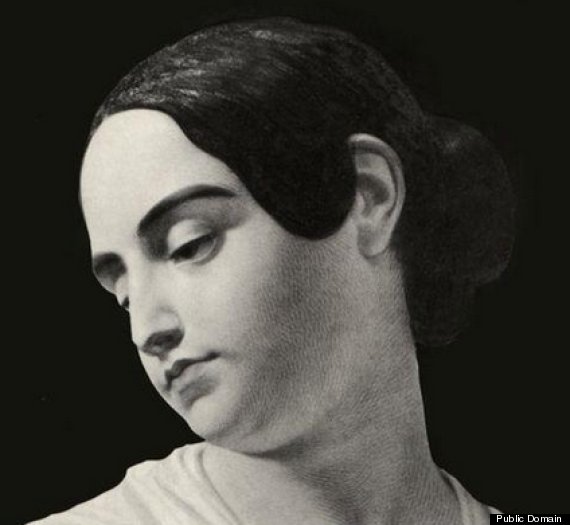
9. He robbed the family cradle under duress. When Poe's rich cousin, Neilson Poe, bid another of Poe's cousins, 13 year-old Virginia Clemm, to come stay in his plush Baltimore mansion, Edgar panicked. He had recently lived with Virginia and her mother and now thought of their poverty-stricken home as his own. To keep Virginia from running off to Neilson, Edgar, 26, and still suffering from an orphan's fear of being abandoned, offered her his only asset: himself. The resulting marriage between first cousins was thought to have been more brotherly than romantic. Some modern scholars doubt if it was ever consummated.
10. He attended his local book club. In 1845, literary fan Anne Charlotte Lynch invited writers and other artists to her New York City home to discuss books and ideas. She kept it casual, unlike other hostesses, offering only tea and Italian ices for refreshment and insisting that guests dress informally. The guests entertained themselves with their discussion. Lynch's Saturday night "conversazione" was a hit. Poe went often--until the Frances Osgood scandal got him promptly uninvited.
11. He had bad PR. The image of the hard-drinking drug addict that we know today comes to us courtesy of Poe's archrival, Rufus Griswold. In reality, Poe's strict work ethic allowed him little time to drink. The small dose of an opiate that he took once for an illness made him so sick that he swore it off for life. But destroying Poe's reputation didn't bring Griswold happiness. He spent his final illness alone in a room hung with three portraits: His own, Frances Osgood's, and Poe's.
1. The ladies loved him. Women fought to have him come to their parties and swooned when he read his poems. One woman thought she'd clear her way to Poe's heart by blowing the whistle on his affair with the married Frances Osgood--a particularly ineffective way to get your man.
2. "The Raven" made him a star. Almost overnight, Americans were chanting the catchword 'nevermore." Parodies popped up in newspapers across the country and kids followed him down the street, flapping their arms.
3. He was a cat fancier. In spite of his tale about the murdered black feline, Poe loved cats and they loved him. His devoted tortoiseshell, Caterina, went into a depression whenever Poe traveled. Upon his death, their psychic tie was broken. She died two weeks later.
4. He couldn't afford to pay the rent. He cleared around $400 in 1845, the year of "The Raven"--a banner year for his wallet. Most years he made far less, forcing him to constantly beg friends and family for "loans."
5. He was a looker. Forget the images of baggy-eyed lunatic so familiar to us all. They were taken in the year of his death, when he was ill, never a good time for one's close-up. His portraits from the time of "The Raven" depict a dapper and handsome ladies' man. Said one admirer, "Gentleman was written all over him."
6. He was as athletic as he was handsome. Besides holding a record for swimming six miles up the tidal James River in Virginia, he enjoyed rowing around Turtle Bay in New York City and hiking through the countryside. He was a champion long jumper, bursting his only pair of shoes during a contest. He won.
7. He went from champ to chump within the space of a year. The success of "The Raven" made him the toast of the New York literati in February 1845. By February 1846, the same literary circles had shown him the exit after they could no longer ignore his attachment to Frances Osgood. Osgood saved her reputation by denying the relationship and reuniting, even though pregnant, with her estranged husband. Poe, on the other hand, sent her a valentine to be read at a party from which he'd been banned. Not a good way to plead one's innocence.
8. He clutched during the biggest event of his life. Born in Boston, Poe dreamed of coming back and taking the town by storm. He got his chance the year of 'The Raven', when he was asked to present at the Lyceum. To a packed house, he delivered a lame poem he had written as a youth. Not even its spiffy new name, "The Messenger Star," could redeem it. The Bostonians were not amused.
9. He robbed the family cradle under duress. When Poe's rich cousin, Neilson Poe, bid another of Poe's cousins, 13 year-old Virginia Clemm, to come stay in his plush Baltimore mansion, Edgar panicked. He had recently lived with Virginia and her mother and now thought of their poverty-stricken home as his own. To keep Virginia from running off to Neilson, Edgar, 26, and still suffering from an orphan's fear of being abandoned, offered her his only asset: himself. The resulting marriage between first cousins was thought to have been more brotherly than romantic. Some modern scholars doubt if it was ever consummated.
10. He attended his local book club. In 1845, literary fan Anne Charlotte Lynch invited writers and other artists to her New York City home to discuss books and ideas. She kept it casual, unlike other hostesses, offering only tea and Italian ices for refreshment and insisting that guests dress informally. The guests entertained themselves with their discussion. Lynch's Saturday night "conversazione" was a hit. Poe went often--until the Frances Osgood scandal got him promptly uninvited.
11. He had bad PR. The image of the hard-drinking drug addict that we know today comes to us courtesy of Poe's archrival, Rufus Griswold. In reality, Poe's strict work ethic allowed him little time to drink. The small dose of an opiate that he took once for an illness made him so sick that he swore it off for life. But destroying Poe's reputation didn't bring Griswold happiness. He spent his final illness alone in a room hung with three portraits: His own, Frances Osgood's, and Poe's.
Tuesday, December 3, 2013
I thoroughly enjoy this poem by Poe... For a few reasons. one of them
being it is a short read, which is always good but also i feel this is a
good piece by Poe
In visions of the dark night
I have dreamed of joy departed-
But a waking dream of life and light
Hath left me broken-hearted.
Ah! what is not a dream by day
To him whose eyes are cast
On things around him with a ray
Turned back upon the past?
That holy dream- that holy dream,
While all the world were chiding,
Hath cheered me as a lovely beam
A lonely spirit guiding.
What though that light, thro' storm and night,
So trembled from afar-
What could there be more purely bright
In Truth's day-star?
In visions of the dark night
I have dreamed of joy departed-
But a waking dream of life and light
Hath left me broken-hearted.
Ah! what is not a dream by day
To him whose eyes are cast
On things around him with a ray
Turned back upon the past?
That holy dream- that holy dream,
While all the world were chiding,
Hath cheered me as a lovely beam
A lonely spirit guiding.
What though that light, thro' storm and night,
So trembled from afar-
What could there be more purely bright
In Truth's day-star?
Monday, October 21, 2013
Nature.. One of my first encounters with it.
As I walk through the woods hand in hand with the two men that at this point in my life are the only men in my life, I am dreading it. The wet soggy mud that sticks to the bottom of my pretty white shoes that my mother bought me disgusts me. How do people do this for fun? What is fun about nature? How can my father and brother really find this fun? The farther I walk the bigger fit I start to throw, screaming and crying is doing me no good and the bugs and rain are getting to me. What do I do? How do I get out of here? Woods all around me I cant see anything but trees and mud. Crunching the leaves step by step I come up with a plan. I sit down in the middle of the mud and bugs and wetness. I refuse to get back up. I am stuck there. My mind refuses to let me move. Finally, with great force I am picked up and carried the rest of the way through this nature walk. I dry my tears and begin to listen to the conversation around me. "Look its a squirrel!" " Dad can we camp out here!?" "Look I found a hiking stick" , I start to enjoy the walk more and more. Its so peaceful and calming. No one to bother you, just you and mother nature, bonding to say the least. Maybe this isn't so bad. Maybe I will come back. I want to tell my mom about this. Suddenly the white shoes are not a big deal anymore. I have just made a new friend.

Wednesday, October 9, 2013
from the beginning..
Edgar Allan Poe was born in Boston, Massachusetts in January of 1809. Poe was only with his parents for a couple short years before they both passed and he was a foster child. As a child Poe's foster father sent him to the best boarding school and later proceeded to go to the University of Virginia. In 1827 Poe moved to Boston and enlisted into the US Army. His first set of poems were published that year. In 1829, he published his second set, Al Aaraaf, Tamerlane, and Minor Poems. None of which gained public attention.
Poe began to sell short stories to magazines, and, in 1835, he became the editor of the Southern Literary Messenger in Richmond. He married his cousin Virginia in 1836. Over the course of the next 10 years Poe edited a number of different literary journals. During this time he established himself as a poet, a short-story writer, and an editor. He published some of his more known stories and poems including "The Fall of the House of Usher," "The Tell-Tale Heart," "The Murders in the Rue Morgue," and "The Raven." After Virginia's death from tuberculosis in 1847, Poe began to struggle with depression and alcoholism. On October 2, 1849, he was found semi-conscious and died four days later of acute congestion of the brain. His case was later reopened and shown that he could have suffered from rabies. Today, Poe is remembered as one of the first American writers to become a major figure in world literature.

Poe began to sell short stories to magazines, and, in 1835, he became the editor of the Southern Literary Messenger in Richmond. He married his cousin Virginia in 1836. Over the course of the next 10 years Poe edited a number of different literary journals. During this time he established himself as a poet, a short-story writer, and an editor. He published some of his more known stories and poems including "The Fall of the House of Usher," "The Tell-Tale Heart," "The Murders in the Rue Morgue," and "The Raven." After Virginia's death from tuberculosis in 1847, Poe began to struggle with depression and alcoholism. On October 2, 1849, he was found semi-conscious and died four days later of acute congestion of the brain. His case was later reopened and shown that he could have suffered from rabies. Today, Poe is remembered as one of the first American writers to become a major figure in world literature.
Sunday, October 6, 2013
The Poe Museum
I wanted to share with everyone and website that has tons of interesting stuff about Poe. It is the Poe Museum website.You can take a look at some of his most famous work, also you can read about the Poe Museum, where it started, and when, etc. You can read about him and it also has some death theories! Tell me what you all think? http://www.poemuseum.org/about.php
Subscribe to:
Comments (Atom)