1. The ladies loved him. Women fought to have him come to their parties and swooned when he read his poems. One woman thought she'd clear her way to Poe's heart by blowing the whistle on his affair with the married Frances Osgood--a particularly ineffective way to get your man.
2. "The Raven" made him a star. Almost overnight, Americans were chanting the catchword 'nevermore." Parodies popped up in newspapers across the country and kids followed him down the street, flapping their arms.
3. He was a cat fancier. In spite of his tale about the murdered black feline, Poe loved cats and they loved him. His devoted tortoiseshell, Caterina, went into a depression whenever Poe traveled. Upon his death, their psychic tie was broken. She died two weeks later.
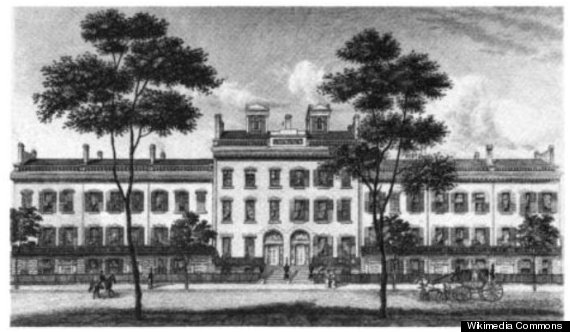
4. He couldn't afford to pay the rent. He cleared around $400 in 1845, the year of "The Raven"--a banner year for his wallet. Most years he made far less, forcing him to constantly beg friends and family for "loans."
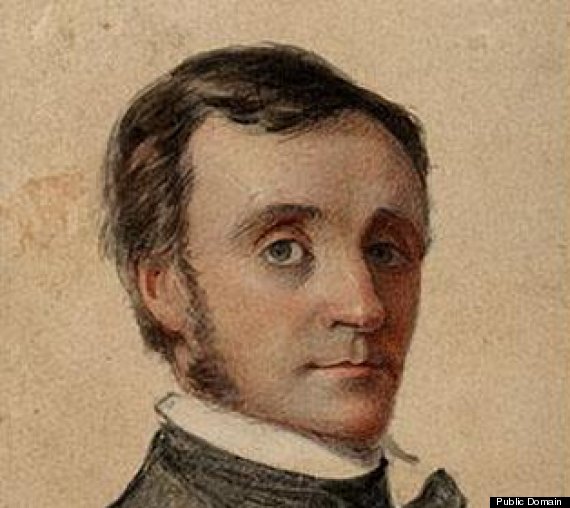
5. He was a looker. Forget the images of baggy-eyed lunatic so familiar to us all. They were taken in the year of his death, when he was ill, never a good time for one's close-up. His portraits from the time of "The Raven" depict a dapper and handsome ladies' man. Said one admirer, "Gentleman was written all over him."
6. He was as athletic as he was handsome. Besides holding a record for swimming six miles up the tidal James River in Virginia, he enjoyed rowing around Turtle Bay in New York City and hiking through the countryside. He was a champion long jumper, bursting his only pair of shoes during a contest. He won.
7. He went from champ to chump within the space of a year. The success of "The Raven" made him the toast of the New York literati in February 1845. By February 1846, the same literary circles had shown him the exit after they could no longer ignore his attachment to Frances Osgood. Osgood saved her reputation by denying the relationship and reuniting, even though pregnant, with her estranged husband. Poe, on the other hand, sent her a valentine to be read at a party from which he'd been banned. Not a good way to plead one's innocence.
8. He clutched during the biggest event of his life. Born in Boston, Poe dreamed of coming back and taking the town by storm. He got his chance the year of 'The Raven', when he was asked to present at the Lyceum. To a packed house, he delivered a lame poem he had written as a youth. Not even its spiffy new name, "The Messenger Star," could redeem it. The Bostonians were not amused.
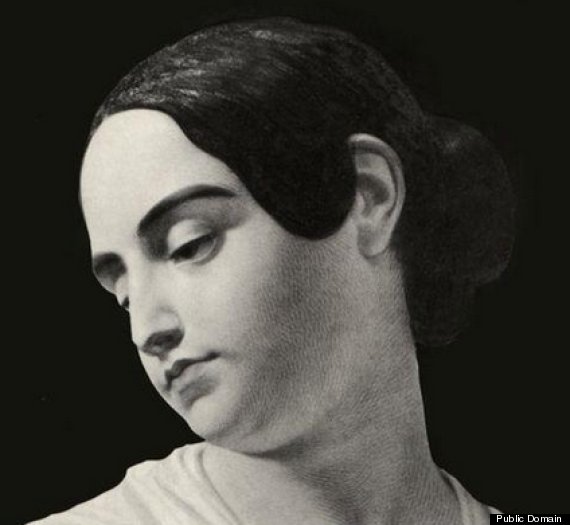
9. He robbed the family cradle under duress. When Poe's rich cousin, Neilson Poe, bid another of Poe's cousins, 13 year-old Virginia Clemm, to come stay in his plush Baltimore mansion, Edgar panicked. He had recently lived with Virginia and her mother and now thought of their poverty-stricken home as his own. To keep Virginia from running off to Neilson, Edgar, 26, and still suffering from an orphan's fear of being abandoned, offered her his only asset: himself. The resulting marriage between first cousins was thought to have been more brotherly than romantic. Some modern scholars doubt if it was ever consummated.
10. He attended his local book club. In 1845, literary fan Anne Charlotte Lynch invited writers and other artists to her New York City home to discuss books and ideas. She kept it casual, unlike other hostesses, offering only tea and Italian ices for refreshment and insisting that guests dress informally. The guests entertained themselves with their discussion. Lynch's Saturday night "conversazione" was a hit. Poe went often--until the Frances Osgood scandal got him promptly uninvited.
11. He had bad PR. The image of the hard-drinking drug addict that we know today comes to us courtesy of Poe's archrival, Rufus Griswold. In reality, Poe's strict work ethic allowed him little time to drink. The small dose of an opiate that he took once for an illness made him so sick that he swore it off for life. But destroying Poe's reputation didn't bring Griswold happiness. He spent his final illness alone in a room hung with three portraits: His own, Frances Osgood's, and Poe's.

No comments:
Post a Comment